Why communities need builders, not just dreamers
Vision gives a community somewhere to go. Builders get it there, through the patient, unglamorous structures that turn good intentions into something people can rely on.
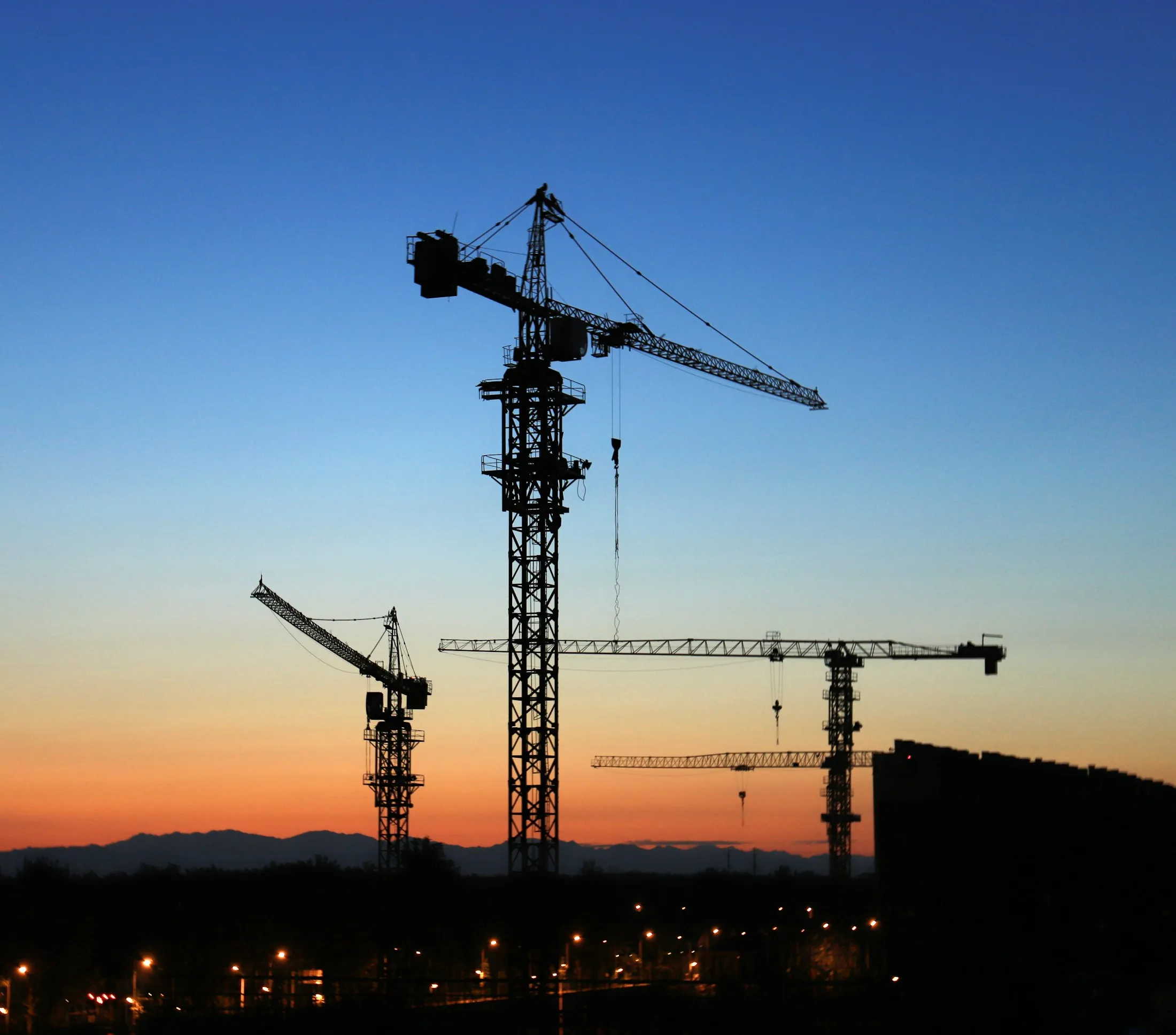
Every community I have known has had more ideas than hands. Sit in any church hall, school meeting or diaspora association gathering for an hour and you will hear wonderful proposals: a scholarship fund, a mentoring network, a support group for new arrivals, a business directory, a youth programme on Saturday mornings. People speak with real feeling. Heads nod. Someone suggests a committee. Six months later, very little has happened, and the same ideas are proposed again at the next meeting with the same sincerity.
I do not say this to mock anyone. I have been in those rooms many times, and I have been the person with the idea. The problem is not that people lack vision or care. The problem is that vision, on its own, does not hold anything up. A community that dreams without building eventually becomes cynical, because people learn that their hopes are always discussed and rarely delivered.
The quiet work that holds things up
When we picture leadership in a community, we often picture the speaker at the front of the room. The person who can name the problem and paint the future. That role matters. But if you look closely at the organisations that actually last, the ones still standing after twenty years, you usually find a different kind of person holding them together.
It is the treasurer who reconciles the accounts every month and can produce a receipt for every expense. The secretary who keeps the minutes, so that decisions made in March are still remembered in September. The person who holds the keys, opens the hall early and stays to stack the chairs. The volunteer who maintains the roster and quietly phones people when a gap appears. None of these roles comes with applause. Most of them come with a fair amount of thankless administration.
These are the builders. They turn intentions into structures, and structures are what allow good things to outlive the enthusiasm that started them. A scholarship fund needs a bank account with two signatories, a clear selection process and someone willing to chase the paperwork. A mentoring network needs a list, a calendar and a person who checks whether the pairs are actually meeting. Vision decides what should exist. Building decides whether it will.
Vision decides what should exist. Building decides whether it will.
My legal training taught me to respect this kind of work. So much of law depends on unglamorous discipline: accurate records, complete evidence, deadlines met, details checked twice. A brilliant argument is worthless if the document is filed late. I suspect communities are no different. The quality of a community’s life often depends less on the brilliance of its ideas than on the reliability of its systems.
Trust is built through continuity
There is a deeper reason builders matter, and it has to do with trust.
Communities run on trust. People will give money, time and loyalty to something they believe will still be there next year. They withhold it from things that appear and disappear. Every abandoned project, every fund that quietly stopped reporting, every initiative launched with great fanfare and then forgotten, spends a little of a community’s trust. Over time, this produces a weary scepticism. When the next good idea is announced, people have learnt to wait and see.
Builders rebuild that trust through continuity. When the same small programme runs every term for five years, people begin to rely on it. When the accounts are presented openly every year, people begin to give. When the person who promised to call actually calls, people begin to believe that promises in this community mean something. Continuity rarely excites anyone, yet it is the most persuasive argument a community can make for itself.
This is also why integrity matters so much in community work. Financial transparency, honest reporting and fair process are sometimes treated as bureaucratic burdens imposed on otherwise good-hearted people. I see them differently. They are acts of respect toward everyone who contributed. A clear set of accounts says to every donor: what you gave was taken seriously.
The book of Nehemiah tells the story of a ruined city wall rebuilt by ordinary people, family by family, each working on the section nearest their own homes. One verse has always stayed with me: “So built we the wall; and all the wall was joined together unto the half thereof: for the people had a mind to work” (Nehemiah 4:6). I love that it records the halfway point. Halfway is not a moment most of us celebrate. Yet it is where builders spend most of their time, and where the work is most likely to be abandoned.
How to become a builder where you are
Most of us do not need to start something new to make a difference. Very often the most useful thing we can do is strengthen something that already exists. If you want to be a builder in your own community, here is where I would begin.
Pick one thing and stay with it. Builders are rarely the people involved in everything. They are the people who commit to one organisation, one programme or one responsibility for long enough to make it dependable.
Take the job nobody wants. Offer to keep the minutes, manage the spreadsheet, or be the contact person for new families. These roles are often vacant precisely because they are unglamorous, which is exactly why filling them is valuable.
Write things down. Much community knowledge lives in the heads of one or two people, and it disappears when they move or burn out. A simple handover document, a shared folder, a list of contacts: these are small acts of building that protect the future.
Finish what you start, or close it honestly. If a project cannot continue, say so clearly and account for any money or commitments involved. A well-closed project preserves trust. A project that simply fades away erodes it.
None of this will make you famous. It may, however, make you one of the people a community quietly depends on. I have come to think that this is one of the highest forms of public service available to ordinary people, and one of the most neglected.
I would not want any of this to discourage the dreamers. Communities need people who can see what is missing and imagine what could be. But a dream that no one builds is only a conversation. The communities that flourish are those where someone eventually stands up after the inspiring meeting, picks up the clipboard and says, quietly, that they will look after the list. If you have ever been that person, thank you. If you have not yet, there will be another meeting soon, and the clipboard is usually still on the table.