Reading slowly: notes on faith and attention
Scripture rewards the reader who stays, rereads and asks questions. Slow attention is a form of respect. It is the spirit I hope to bring to Bible 101.
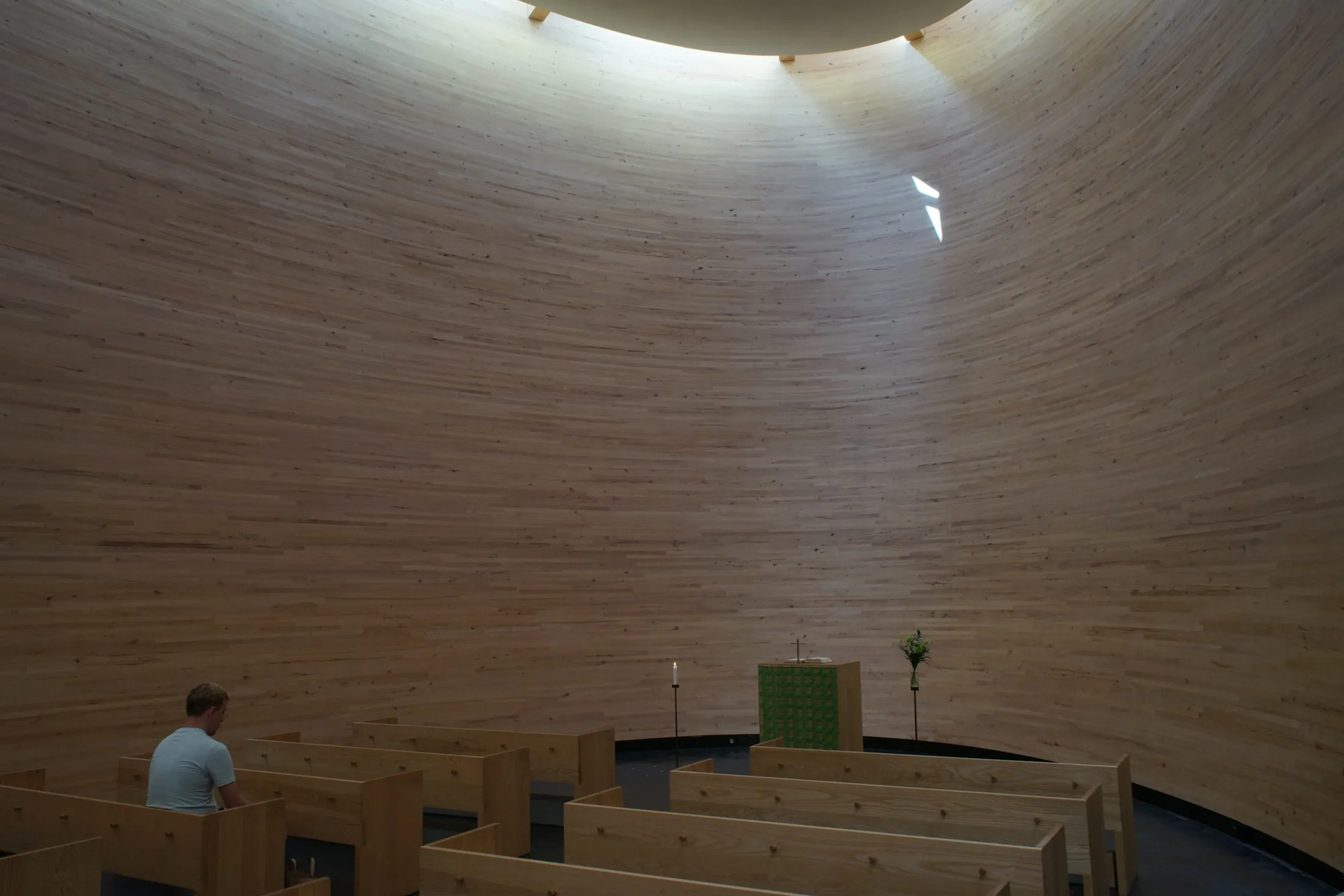
“Thy word is a lamp unto my feet, and a light unto my path.” I have read Psalm 119:105 more times than I could count. For years I read it as a pleasant sentence about guidance. Then one morning I read it slowly and aloud. I noticed what it does not promise. A lamp for the feet is a small light. It shows you the next step, perhaps two. It does not light the whole road to the horizon. The verse offers enough light to keep walking. That is less than I once wanted and far more honest.
That small discovery came from nothing more sophisticated than slowing down. I want to write about that habit here because I think it matters more than most of us realise. It also sits at the heart of a project I am preparing: a Bible 101 series for people who want to understand Scripture but are not sure where to begin.
The problem with reading quickly
Most of what we read now is designed to be consumed fast. Headlines, messages, notifications, summaries of summaries. We have become efficient readers. That is useful for email and dangerous for anything that matters. Fast reading skims for information. It finds the point, extracts it and moves on.
Scripture resists that treatment. It is full of poetry, story, law, letters and argument, much of it written for people who heard it read aloud and returned to it many times across a lifetime. The Psalms speak of the person whose “delight is in the law of the LORD; and in his law doth he meditate day and night” (Psalm 1:2). Meditation in that sense means a slow turning over of words, the way you might turn a smooth stone in your hand to see every side of it.
When we read the Bible quickly, we tend to find what we already expected. When we read it slowly, it has a chance to surprise us.
Three slow habits
Over time I have found three simple practices that change how a passage lands.
Reading aloud. This sounds old-fashioned. It is. For most of history Scripture was heard before it was read privately. Paul writes that “faith cometh by hearing, and hearing by the word of God” (Romans 10:17). Reading aloud makes you take every word at the pace it was written. You notice repetition, rhythm and the places where a sentence turns. You cannot skim with your voice.
Reading repeatedly. A passage read once gives you its outline. Read three or four times across a week, it begins to give you its texture. I often find that the second or third reading brings out a word I had passed over entirely. That word then becomes the centre of what I take away. There is no rush. The text will still be there tomorrow.
Reading with a pen. I keep a notebook beside me and write down questions rather than conclusions. Why this word? Who is speaking? What would this have meant to the first people who heard it? What does it ask of me? A page of honest questions is worth more than a page of borrowed answers.
Behind all three habits sits a conviction. I have come to think that attention is one of the purest forms of respect we can offer anything. We show respect to a person by listening without checking our phone. We show respect to a piece of work by giving it unhurried time. The same is true of Scripture. To read it slowly is to say that these words are worth my full presence.
When we read the Bible quickly, we tend to find what we already expected. When we read it slowly, it has a chance to surprise us.
This connects to something in my own life. As a lawyer, I have been trained to read documents carefully because their wording has consequences. It would be strange to give a contract more attention than I give the words I believe God has spoken. Yet that is exactly what I have done at times. I have studied a clause closely in the afternoon and skimmed a chapter of Scripture in the evening.
There is also a spiritual discipline in stillness itself. “Be still, and know that I am God” (Psalm 46:10). Slowing down to read is a small act of stillness. For a few minutes, it refuses to let the world hurry us. In that sense, the manner of reading becomes part of what we learn.
Questions as the beginning of understanding
Some people feel that asking questions of the Bible is a sign of weak faith. I understand the worry. I also think Scripture itself answers it. In Acts 8, Philip meets a traveller reading the prophet Isaiah and asks him, “Understandest thou what thou readest?” The man replies, “How can I, except some man should guide me?” (Acts 8:30-31). His honest admission opens a conversation that changes his life.
Elsewhere, the people of Berea are commended because they “received the word with all readiness of mind, and searched the scriptures daily, whether those things were so” (Acts 17:11). They listened eagerly and checked carefully. Openness and inquiry sat together. They were praised for it.
Questions are where understanding begins. A question admits that there is more to see. It keeps us humble before the text and curious about it. I would much rather sit with someone who has a page of sincere questions than with someone who has stopped asking.
What this means for Bible 101
These convictions shape the series I am preparing. Bible 101 is meant for beginners and for people returning after a long time away. It is also for those who have attended church for years but quietly feel they never really understood what they were reading. It will assume no background knowledge. It will move slowly. It will take time with context: who wrote a book, to whom and why. It will welcome questions, including difficult ones. It will also try to model the habits I have described here: reading aloud, reading again and writing down what puzzles us.
The aim is modest. I want to help people become attentive readers who can open Scripture on an ordinary weekday and know how to begin.
The lamp in Psalm 119 still shows only a step or two at a time. I have stopped wishing it did more. Most mornings the next step is all I need to see. Reading slowly is how I have learned to see it.