Mentorship and the shortened road
A good mentor does not carry you. They hand you a better map. And those of us with experience owe that map to people who have never had one.
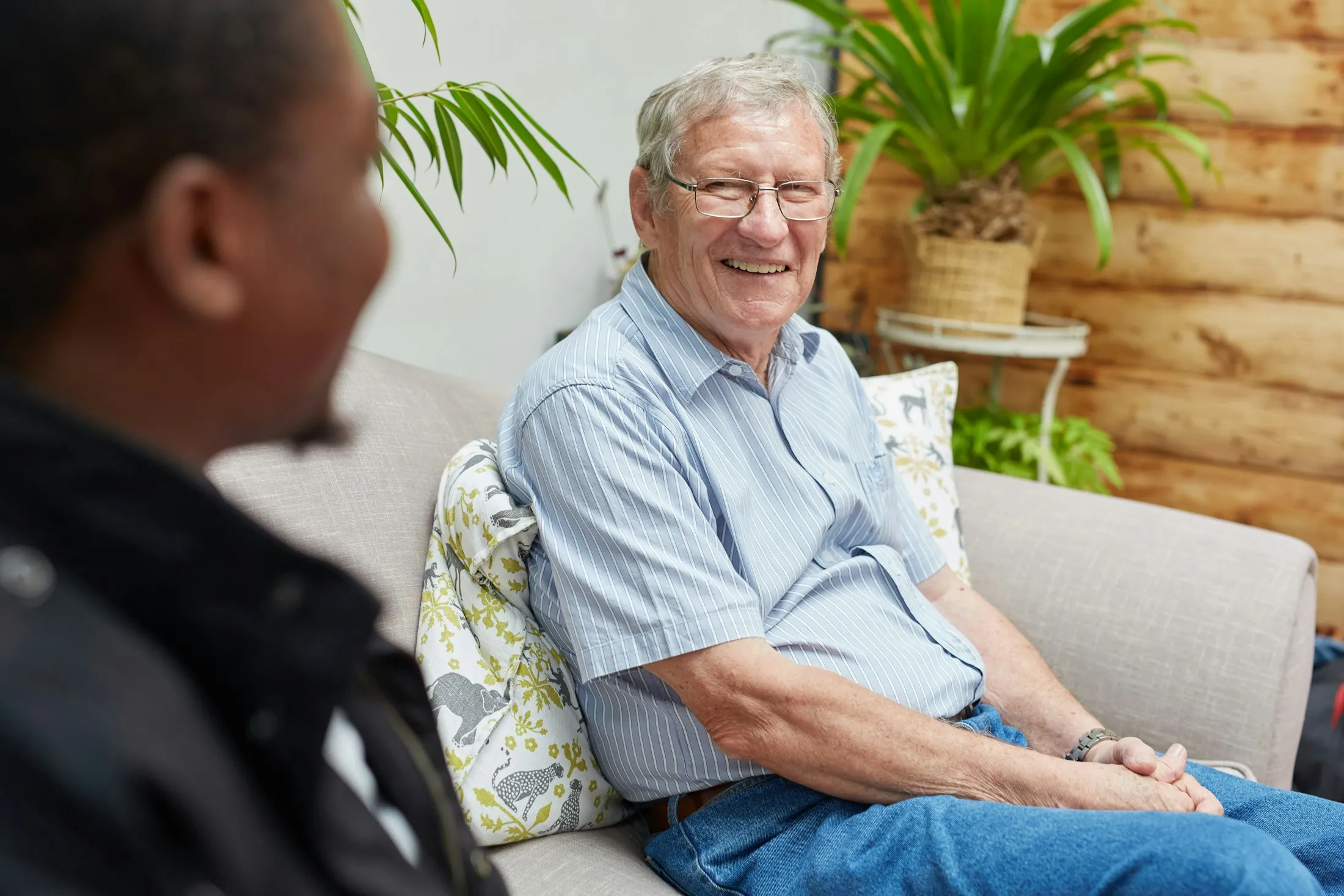
Before every phone had a map in it, the most useful thing someone could give you before a long drive to an unfamiliar place was a set of directions written by a person who had made the trip. It was the real route rather than the official one. Turn left after the petrol station, not at the first sign. The second bridge is the one you want. Stop for fuel in the last big town, because there is nothing for a long way after it. Those directions did not drive the car for you. You still had to sit behind the wheel for every kilometre. But they saved you hours of wrong turns. Sometimes they saved you from real trouble.
That, to my mind, is what a good mentor does. They shorten the road. They cannot walk it for you and they should not try. What they can do is share the map they drew through their own mistakes, so that you spend less time lost and more time actually moving.
What a good mentor actually does
The word mentor is used loosely, sometimes for relationships that are really something else. It gets confused with sponsorship that guarantees advancement, with a parent’s protection from consequences, even with devotion to a guru whose every opinion must be adopted. The best mentoring relationships I have observed are more modest and more practical than any of those.
A good mentor does a handful of things well. They tell you what they wish someone had told them. They explain how a field really works, including the unwritten rules that no textbook or induction session covers. They help you see the difference between a setback and a disaster, which is very hard to judge when you are young and everything feels permanent. They ask questions that clarify your thinking rather than simply supplying answers. And occasionally, when it is warranted, they make an introduction, lending you a little of the trust they have built over years.
Equally important is what a good mentor does not do. They do not carry people. They do not do the work, sit the exam, make the call or take the risk on someone else’s behalf. A mentor who carries you may feel generous, but in the long run it leaves you dependent and untested. The goal of good mentoring is a person who eventually no longer needs the mentor and who has, in time, started drawing maps for others.
The road is the same length for everyone, in a sense. Some simply travel it with better directions.
Anyone who has moved countries knows the value of a good map. The rules governing visas, qualifications and residency are complex and they change. People who have someone experienced to guide them tend to avoid the costly, avoidable errors: the missing document, the wrong visa category, the deadline misunderstood. People without that guidance often learn the same lessons the expensive way. The road is the same length for everyone, in a sense. Some simply travel it with better directions.
How to be mentored well
Mentorship is a two-way relationship. Much of its value depends on the person being mentored. Over the years I have noticed some patterns in those who get the most from it.
They come with specific questions. “Can you mentor me?” is a hard request to answer well. “I am deciding between these two roles. Could I have thirty minutes to talk through how you would weigh them?” is far easier to say yes to. The conversation that follows is usually much more useful.
They do the work between conversations. If a mentor suggests reading something, contacting someone or trying an approach, the people who grow are the ones who actually do it and come back to report what happened. Nothing encourages a mentor more than seeing advice put to use.
They respect the mentor’s time. Busy people are often willing to help, but they are also stretched. Being punctual, being prepared and knowing when a conversation has run its course are small courtesies that make a mentor more likely to keep investing.
They are willing to hear hard things. The most valuable mentoring often comes in the form of an uncomfortable observation. A person who becomes defensive at every correction will soon find that people stop offering them.
And they say thank you, including later, when the advice has finally paid off. Mentors rarely find out how things turned out. Telling them is a gift.
The book of Proverbs puts the principle neatly: “Iron sharpeneth iron; so a man sharpeneth the countenance of his friend” (Proverbs 27:17). Sharpening involves friction. It is not always comfortable for either party. But both come away more useful than they were.
A plea to those with experience
I want to end with a request to people like me, those who have spent some years in a profession, a business or a community and have learnt how things work.
Make yourself available, deliberately and regularly, within limits you can sustain. Set aside a small amount of time each month for someone earlier in their career. Answer the message from the student who found you online. Agree to the coffee, the phone call, the review of a draft CV.
I make this plea with particular feeling on behalf of young people who do not have networks. Some young people grow up surrounded by maps. Their parents, uncles, family friends and neighbours work in law, medicine, business or government. They absorb a great deal of practical knowledge without even noticing. Others grow up with talent and ambition but no one nearby who has walked the road they want to take. They must discover everything themselves: which course actually leads to the career, how to write an application, what to wear to an interview, how to ask for a reference. Many of them succeed anyway, but it takes them far longer. Some give up along the way.
This is one of the quiet injustices of professional life. It is also one that ordinary people can do something about. A single conversation with an experienced person can save a young person a year of wrong turns. A single introduction can open a door that would otherwise have stayed shut for a decade. It costs the mentor very little, yet it can change the trajectory of a life.
Somewhere, right now, a capable young person is staring at an application form, unsure what the next step should be, with no one to ask. If you have walked even part of that road, you already hold something they need. Draw them a map. Tell them which bridge to take and where to stop for fuel. Then let them drive. Watch with some pride as they get there sooner than you did.